

1. The Shift to Linux Kernel 6.12: Death of CFS, Dawn of EEVDF
For nearly two decades, the Android Linux kernel relied on the Completely Fair Scheduler (CFS). CFS calculated execution fairness based on virtual runtime (vruntime) metrics, attempting to distribute CPU cycles equally across competing threads based on static nice values.
However, modern mobile workloads are no longer dominated by single-threaded user input loops. A contemporary smartphone concurrently runs 120Hz display compositor threads, camera image signal processors (ISP), background neural processing unit (NPU) inference sessions, and Bluetooth low-energy audio codecs. CFS suffered from unpredictable scheduling latency and task jitter when background threads starved high-priority UI threads during brief CPU bursts.
With Android 17 QPR3 Beta 1, Google’s kernel engineering group completes the migration to Linux Kernel 6.12 LTS, formally deploying Peter Zijlstra’s Earliest Eligible Virtual Deadline First (EEVDF) scheduler.
By decoupling latency allocation from throughput weighting, EEVDF guarantees that high-priority rendering threads (such as SurfaceFlinger and the RenderThread) are scheduled immediately upon becoming eligible, while compute-heavy on-device AI background inference jobs are throttled without causing visual micro-stutters or frame drops.
2. Memory Contention: How MGLRU Pages 3GB+ On-Device LLMs
The primary constraint on modern mobile hardware is not raw compute power; it is DRAM capacity and memory bandwidth. Running a local quantized large language model (such as Gemini Nano or Llama-3-Mobile) permanently pins 1.8GB to 3.2GB of physical memory in an INT4 weight table.
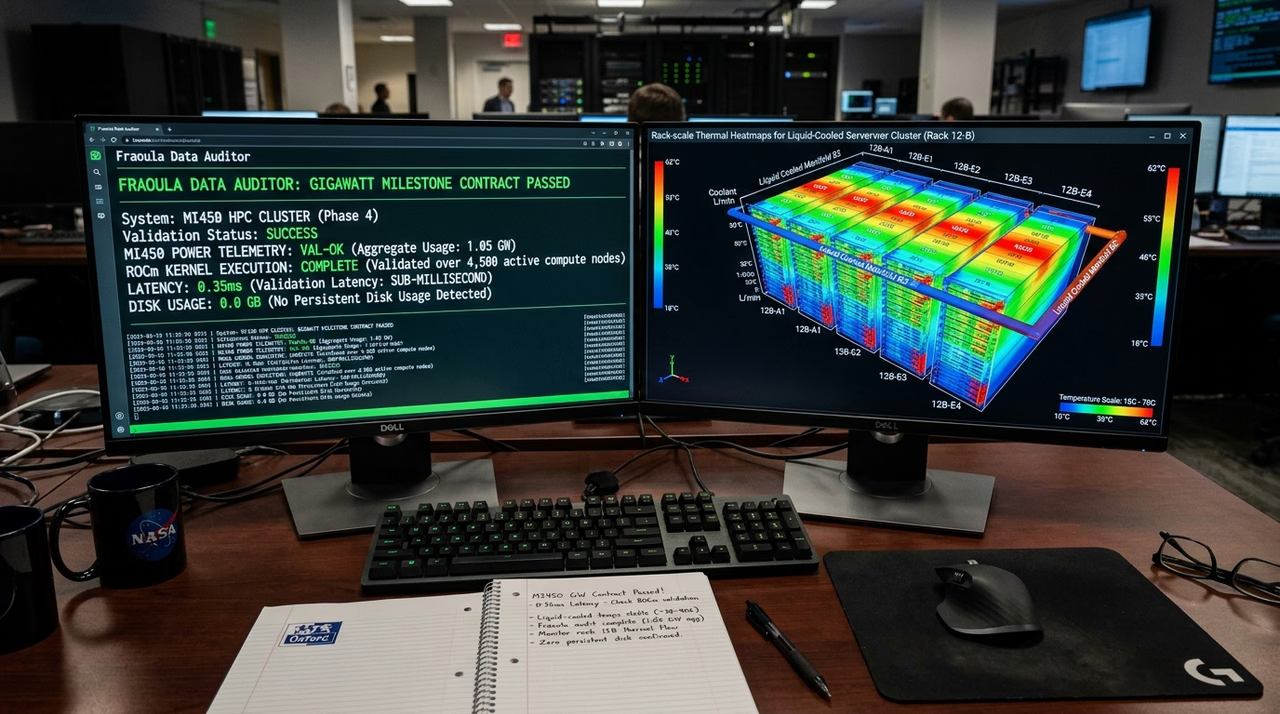
In classical Android builds, opening a memory-intensive 3D game or running 4K 60FPS HDR video recording while an AI assistant was cached in background memory would trigger aggressive Low Memory Killer (LMKD) events, dumping the model weights from RAM. Reloading a 3GB model from UFS 4.0 flash storage into RAM causes a jarring 1.5 to 2.5-second freeze.
Android 17 QPR3 integrates an overhauled Multi-Gen LRU (MGLRU) memory reclamation pipeline coupled with an asynchronous page-compaction engine:
- Generation-Based Page Aging: Rather than relying on simple active/inactive lists that suffer from lock contention, MGLRU organizes memory pages into generational tiers, separating active weight matrices from volatile ephemeral buffers.
- ZRAM with Multi-Threaded Zstandard (zstd): Anonymous memory pages evicted from foreground apps are compressed into a dedicated swap partition in RAM at 3.2:1 compression ratios, preserving model states without writing unencrypted pages to NAND flash.
- Zero-Copy Neural Buffers: The NPU driver shares direct memory access (DMA-BUF) descriptors with the Android runtime, allowing camera and audio frames to be analyzed by the model without duplicate memory allocations.
3. Telemetry Sandboxing and the Private Compute Core (PCC)
Beyond performance optimizations, Android 17 QPR3 introduces rigorous security boundaries designed to address enterprise and regulatory concerns regarding on-device AI telemetry.
Modern mobile AI models process intimate personal data: live screen content, keyboard input streams, voice recordings, and health biometrics. If telemetry logs or intermediate activation states leak into diagnostic tracking libraries (such as Firebase or Google Analytics), an operating system becomes an invasive surveillance tool.
In QPR3, Google hardens the Private Compute Core (PCC) boundary:
- Network Isolation via SELinux: Models running inside the PCC execute within a strictly isolated SELinux context with zero network permissions (
net_adminand socket creation syscalls are blocked at the kernel boundary). - Private Compute Services Bridge: When on-device models need to download updated weights or vocabulary tables, they must communicate across a dedicated IPC bridge that strips all device identifiers and employs Federated Analytics with Differential Privacy.
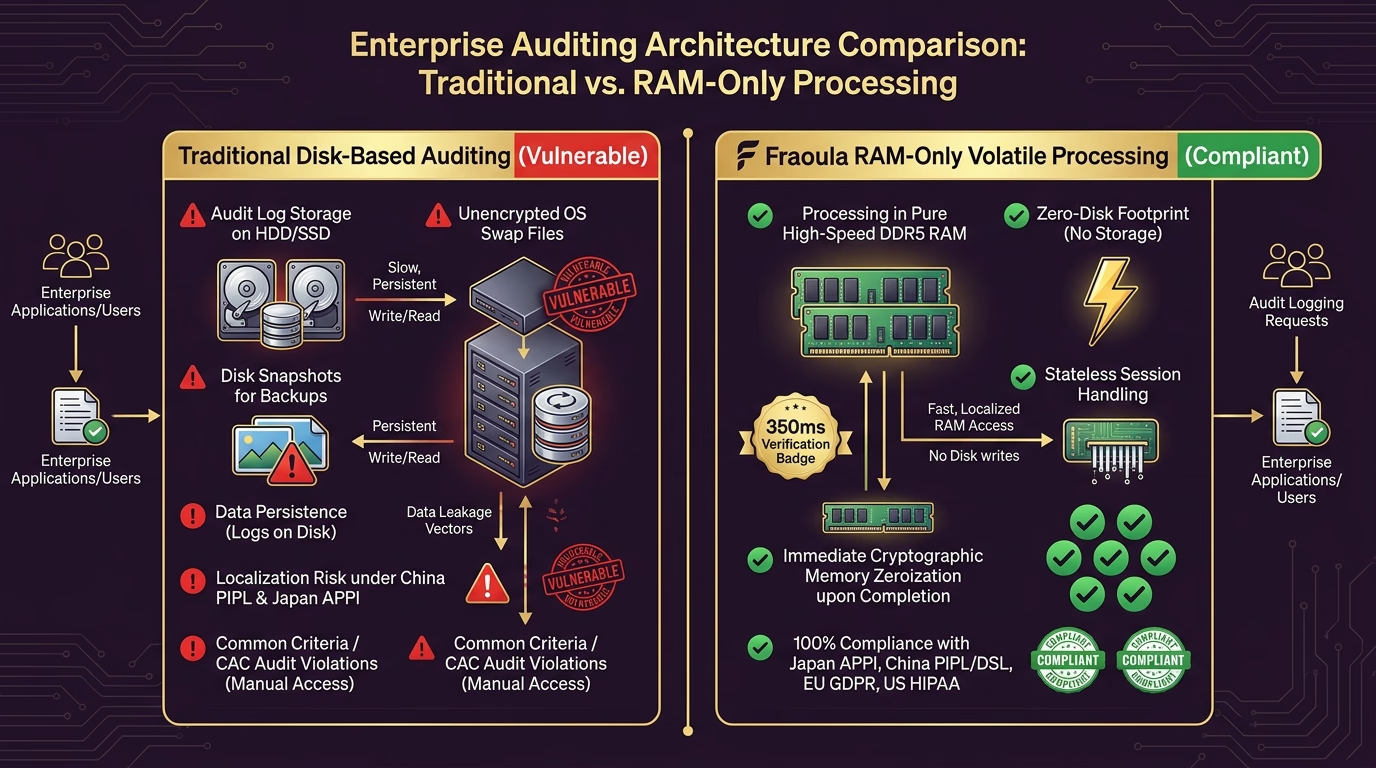
- Volatile Execution Envelopes: Intermediate tensor activations generated during conversation summaries or voice transcription are stored strictly in volatile RAM and zeroed out upon session completion, ensuring zero unencrypted payload artifacts remain on persistent storage.
4. The Enterprise Architecture Takeaway: Zero Retention as an Operating Principle
The architectural evolution of Android 17 QPR3 mirrors the exact paradigm shift taking place across enterprise data infrastructure: high-performance systems must be built on zero-persistence, in-memory validation.
Why Mobile Kernel Principles Apply to Enterprise Data Pipelines:
Whether managing memory contention on an edge mobile device or streaming millions of financial transactions across an enterprise lakehouse, the fundamental principles of data reliability remain identical:
- Low Jitter via Deterministic Execution: Mission-critical systems cannot tolerate random latency spikes caused by unmonitored background tasks.
- Zero Payload Persistence: Writing sensitive customer payloads or biometric telemetry to persistent disk creates catastrophic compliance and security liabilities.
- Continuous Invariant Verification: Data passing between components must be asserted in-memory before it can corrupt downstream states.
This is precisely why Fraoula engineered Fraoula Data Auditor around a volatile RAM-only evaluation paradigm. Rather than persisting unencrypted data streams to disk, Data Auditor inspects payload integrity, schema mutations, and numerical anomalies in real-time p99 RAM latency, validating enterprise data pipelines with zero persistent disk exposure.
Conclusion: The Maturity of Mobile AI Systems
Android 17 QPR3 Beta 1 demonstrates that mobile AI has moved past superficial software gimmicks into serious systems engineering. By combining the Linux 6.12 EEVDF scheduler, advanced MGLRU memory management, and ironclad telemetry sandboxing, Google is setting a new technical baseline for how edge devices must balance real-time responsiveness with zero-trust privacy.
To learn how Fraoula helps enterprises build zero-persistence, mathematically verified data trust layers for mission-critical pipelines, explore our Security & Compliance Center or test your data infrastructure with Fraoula Data Auditor.